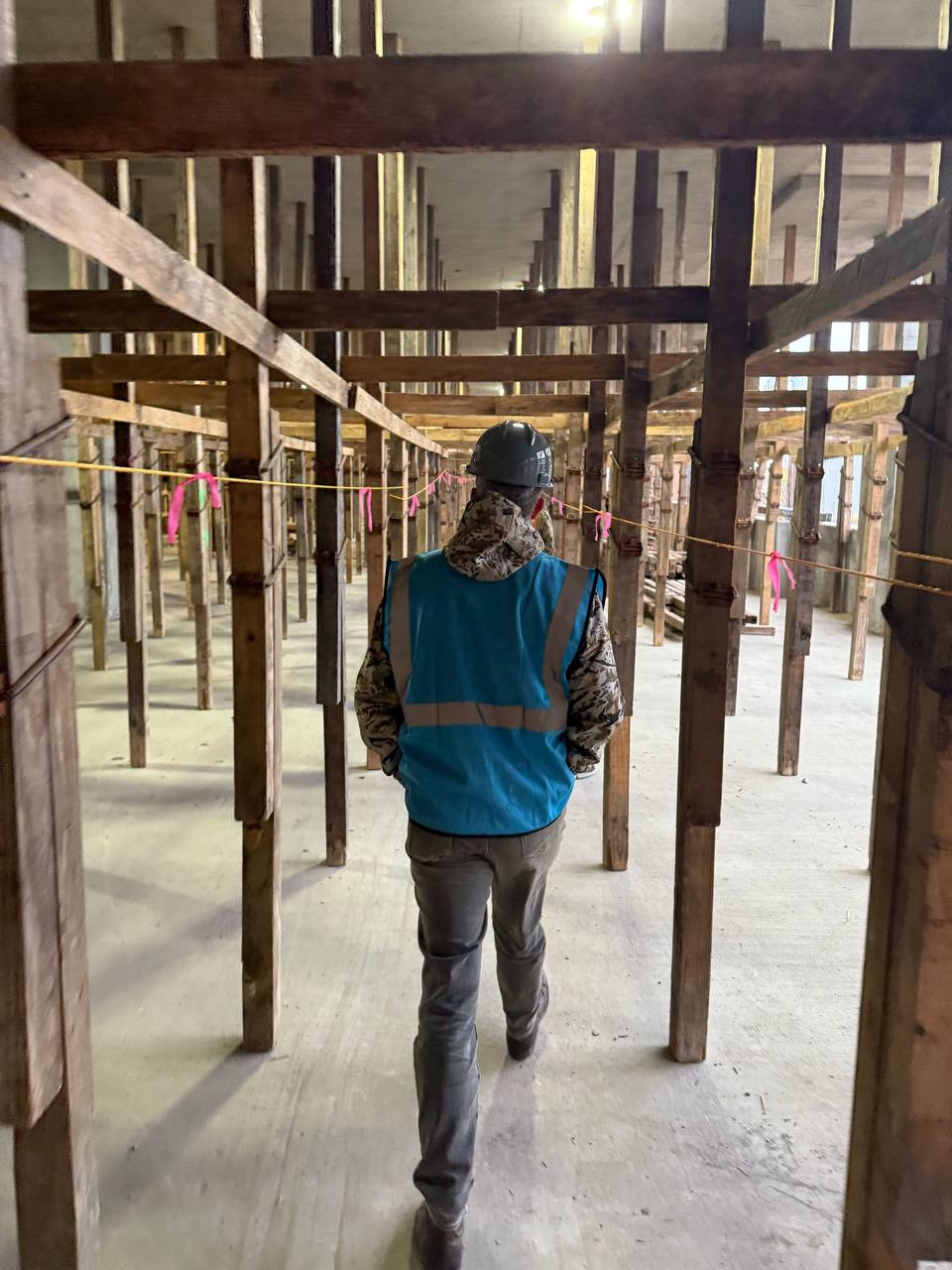
I pulled into the parking lot of a specialty contractor’s office outside Dallas last year. Fourth-generation family business. $80 million in annual revenue. Three hundred people on payroll.
They were running their entire operation on spreadsheets, text messages, and a whiteboard in the front office.
Not because they were behind the times. Not because they didn’t know better. Because the last time they tried new software — two years earlier — it was a disaster. The implementation was rushed. The crew hated it. The foremen revolted. And the owner quietly pulled the plug after four months, eating $60,000 in licensing fees.
When I sat down in his office, the first thing he said was: “Matt, I already know what Procore does. That’s not the problem.”
He was right. The problem was never the technology.
The Real Reason Is Trust — Not Tools
After visiting hundreds of specialty contractors across the country, I can tell you the pattern is almost always the same. The resistance isn’t about technology. It’s about trust.
Three kinds of trust, specifically:
1. Trust that the tool will actually work for their business.
Specialty contractors aren’t general contractors. Their workflows are different. Their billing is different. Their field operations are different. And they’ve been burned by vendors who say “yeah, we work with specialty contractors too” — and then deliver a product built for GCs.
When I show a mechanical contractor a workflow designed for a GC running a $200 million ground-up project, they check out. It’s not their world.
2. Trust that their crew will actually use it.
The average foreman on a specialty contractor’s crew has been doing things their way for 15, 20, sometimes 30 years. They’re really good at it. Telling them to change how they track daily logs or submit time isn’t just a software thing — it’s a respect thing.
I’ve watched owners get visibly nervous when I mention “field adoption.” Because they know what’s coming. The pushback. The grumbling. The “I didn’t sign up for this” conversations.
3. Trust that the investment will pay off.
Specialty contractors operate on tighter margins than most people realize. A sub running 3-5% net margins can’t afford to gamble on software that takes six months to show ROI. They need to see the value quickly, or the spreadsheet starts looking pretty good again.
How to Actually Fix It
Here’s what I’ve learned works — not from a playbook, but from sitting in trailers and conference rooms with contractors who eventually said yes.
Start with one pain point, not a platform.
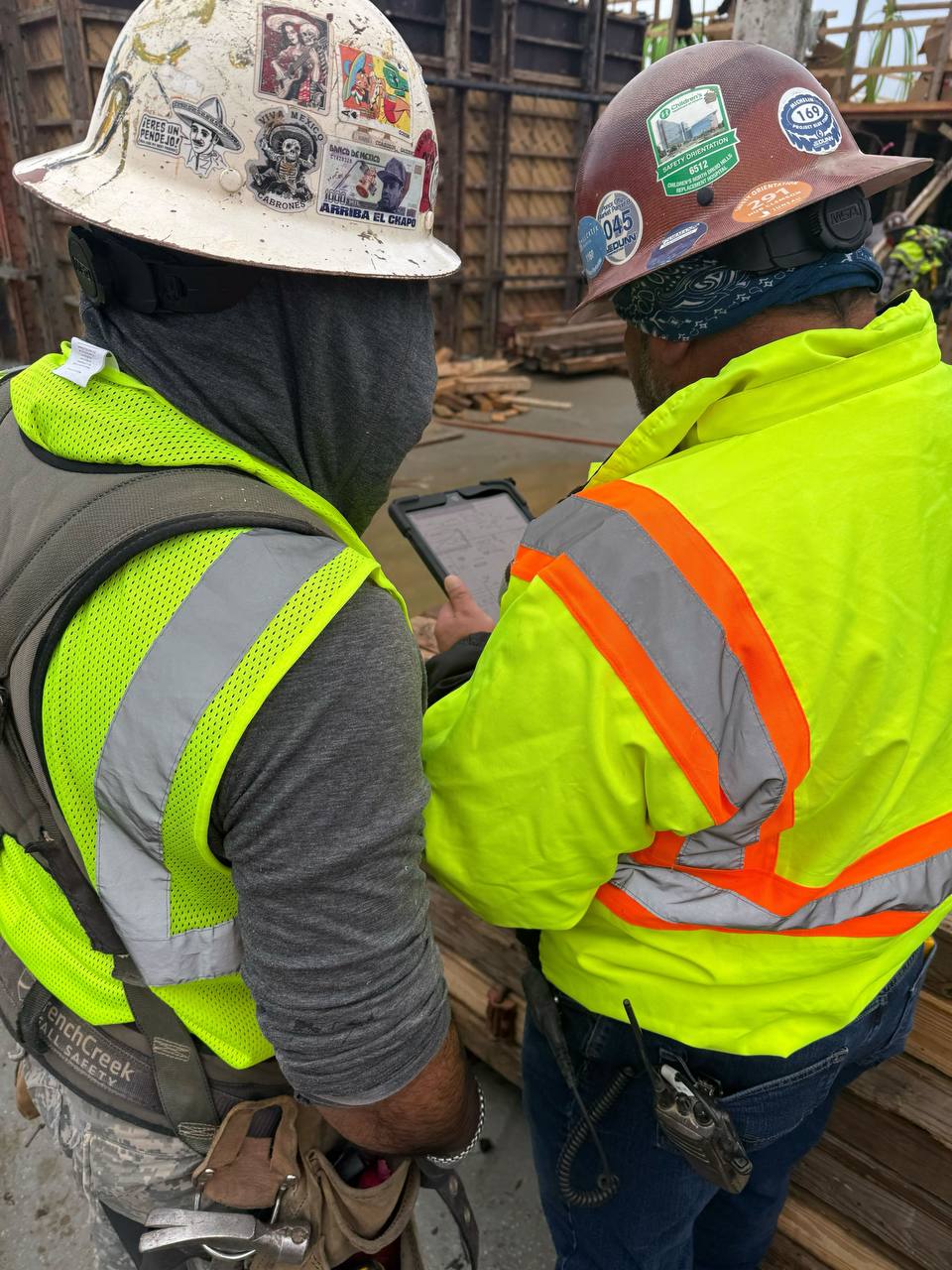
Don’t try to transform everything at once. Find the one thing that keeps the owner up at night. Maybe it’s change order tracking. Maybe it’s daily log compliance. Maybe it’s the fact that they can’t get a straight answer on project profitability until 60 days after the job closes.
Start there. Solve that. Then expand.
Let the foremen see it before they’re told to use it.
The best implementations I’ve seen happen when the field team gets a preview — not a mandate. Bring a foreman into the conversation early. Show them specifically how it makes their day easier, not just how it helps the office.
I visited one electrical contractor where the operations manager set up a Procore demo on a tablet in the break room. Didn’t make anyone use it. Just left it there. Within two weeks, three foremen were logging dailies voluntarily. That’s adoption.
Show the math in their language.
Forget ROI calculators and slides with generic numbers. Pull up their actual numbers. “You did $40 million last year with a 3.2% net margin. If we reduce rework by even 10%, that’s $120K straight to the bottom line. That’s two trucks.”
When you speak in trucks, headcount and in terms of THEIR bonuses, not percentages and platform features, supers listen.
Be honest about what it takes.
The fastest way to lose a contractor’s trust is to oversell the timeline. “You’ll be fully deployed in 30 days” is a lie for most specialty contractors, and they know it. I’d rather tell someone “this is going to take 90-120 days and the first month will be uncomfortable” and have them trust me, than promise 30 days and watch the whole thing fall apart.
It’s Not Broken — It’s Just Not Built for Where You’re Going
Here’s the thing I want to be honest about: sometimes the old way isn’t broken at all.
Your spreadsheets got you to $10 million. Your whiteboard and your foremen’s instincts built a company that feeds families. That’s not nothing. That’s everything.
But scaling from $10M to $100M takes a different level of process management. Going from $100M to $1B requires leadership visibility you can’t get from paper forms and tribal knowledge. And the leap beyond that? It demands systems that connect every jobsite, every dollar, every risk — in real time.
The spreadsheet didn’t fail you. You outgrew it.
And that’s actually harder to accept than something being broken. Because it means letting go of the thing that got you here — not because it was wrong, but because it can’t carry you where you’re going.
Every business leader I’ve worked with who made that leap went through real pain to get there. Metamorphosis isn’t comfortable. The caterpillar doesn’t enjoy becoming soup inside the cocoon. The greater the change, the greater the pain required.
But here’s what I’ve seen on the other side: executives who can see every project’s financial health in real time. Foremen who go home at 4:30 instead of 6:00 because they’re not buried in paperwork. Companies that win disputes because their documentation is airtight. Leaders who sleep at night because they’re not guessing anymore.
The suffering is real. But the life on the other side of it is something you have to see to believe.
The Faith Parallel
I think about this in my own life too.
I got baptized last month at 49 years old. Not because I already believed and was finally getting around to it. I didn’t believe. Not really. He promised that by following Him I’d find peace through a loving Father — and I didn’t believe a loving father even existed. I’d never experienced one.
But I took the step anyway. And by trusting in Him, I found a path to peace and discovered a joy I didn’t even realize I had lost.
That’s the thing about transformation — whether it’s on a jobsite or in your soul. You don’t have to see the whole path to take the first step. You just have to be willing to admit that where you are isn’t where you’re meant to stay.
That’s exactly what I see with contractors. The willingness to change — not because something’s wrong, but because something better is possible — that’s the bravest thing you can do.
The Bottom Line
If you’re a specialty contractor thinking about adopting new technology — or trying again after a bad experience — know this:
- Start small. One problem, one tool, one crew.
- Involve the field early. Not as an afterthought.
- Demand that your vendor understands specialty contracting. If they can’t explain how their tool works for a mechanical sub doing T&M billing, move on.
- Give it 90-120 days before you judge it. The first month is always ugly.
- The ROI is real — but only if the implementation is honest.
You’re not behind the times. You’re just careful with what you’ve built. I respect that. Now let’s build on it.
Want more guides like this? I write for specialty contractors who want to run better projects, protect their margins, and get their crews home safe.
☕ Buy Me a Coffee | 📬 Subscribe to The Rebuild
What to Try This Week
Pick one thing from this post that challenged you. Just one. Try it for seven days. Then come back and tell me what happened.
Know someone who needs to read this?
Share it with them. Sometimes the right words at the right time can change everything.
#TheRebuild
Get more like this — subscribe free to The Rebuild on Substack
LinkedIn · X (Twitter) · Substack · Facebook · Buy Me a Coffee
📚 See my full reading list → 24 books that rebuilt my life, each with a personal note on why it mattered.
Free Interactive Tool
Specialty Contractor Risk & ROI Dashboard
164 real-world risk scenarios across 8 trades. Interactive ROI calculator. Free. No login.
Explore the Dashboard →Subscribe to The Rebuild
Weekly essays on construction, faith, leadership, and starting over. Free resources included.